Archives for January 2012

Food Diary 1-31-12

sipping waterToday has been much harder to stick with the low-calorie plan. Yesterday I felt like I was hungry all day, but the hunger level was manageable. I can’t say the same for today. I decided to try starting my day with scrambled eggs and sausage to get in some protein. Halfway to work, I was so hungry, I stopped for a smoothie, which got my calorie counts up even higher. I allowed myself a few *small* splurges…like 4 Cheetos.

Today I’ve been trying to make up for my hunger by drinking LOTS of water. I’d logged 60oz of water by 11am, and by 8 pm I was at over 130oz. I’ve been using Mio water enhancer drops to make it a little more interesting. And I’ve got bags of pebble ice from Sonic both at home and work so it’s nice and chilly.

  • 2 scrambled eggs and 2 links of sausage – 260 cal
  • 24oz fresh peach smoothie – 330 cal (half in morning, half in afternoon)
  • string cheese – 80 cal
  • dried apple rings – 70 cal
  • 5 Quaker multigrain fiber crisps – 40 cal
  • 10 pickles – 10 cal
  • 4 Cheetos – 32 cal
  • Can of light chicken veggie soup – 160 cal
  • Sugar-free strawberry Jell-o – 10 cal
  • TOTAL – 992

Food Diary 1-30-12

Today was my first day of the pre-surgery “crash diet.” The goal is to keep around 1000 calories per day. Here’s my food diary:

  • Bottled mango smoothie – 220 cal
  • Muscle Milk light shake – 100 cal
  • 2 light String Cheese – 160 cal
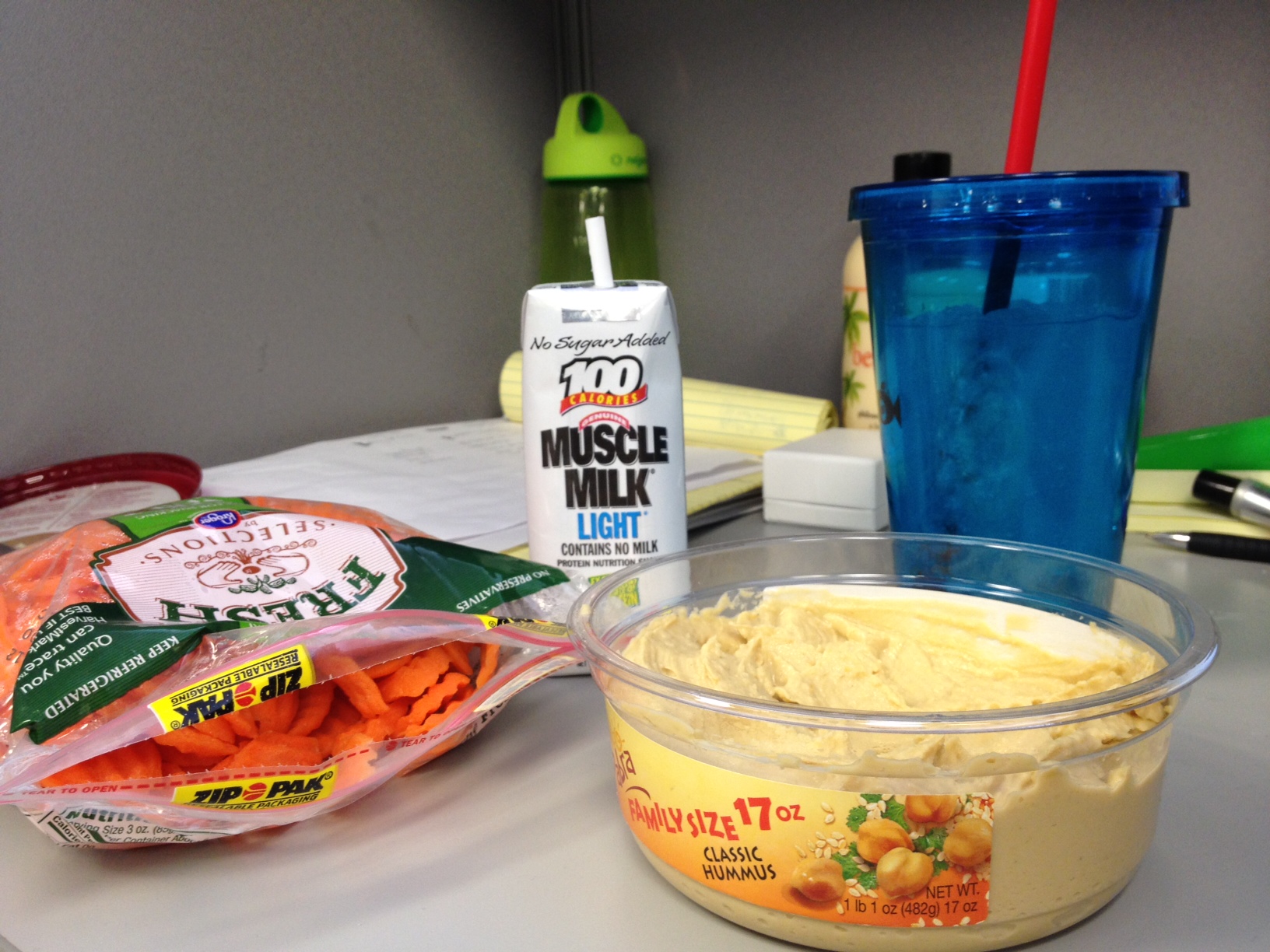
  • Carrots and 2 TB hummus – 100 cal
  • Quaker multigrain fiber crisps – 80 cal
  • Green beans – 60 cal
  • Del Taco chicken soft taco and regular soft taco – 340 cal
  • TOTAL – 1060

This morning I had an appointment with Dr. Smith. I hadn’t seen him in the office since last April, so he wanted to go over a few things with me. He gave me a quick physical exam, discussed my most pressing symptoms, showed me where the incisions would be for surgery, and answered a few questions. Next, I met with Cathy, who is the surgery scheduler. We went over more paperwork, confirmed radiology appointments, and reviewed the pre-surgery diet. I also got my FMLA paperwork submitted so my husband and I both have time off work.

I was FLOORED to see how much weight I’ve gained this month. I started the month at 357 (when I weighed in at Dr. Poor’s office when I had bronchitis.) Today I was 373.3, which is officially the most I’ve ever weighed. I’ve gone up 16 pounds in three and a half weeks. It’s a lot, and I expected to gain some, but not that much. I’ve been replacing diet soda with juice, flavored milk, and other drinks so I keep myself away from the bubbly. I was on steroids for over 2 weeks for bronchitis, which ALWAYS makes me gain. And then with the 5-day bingefest I had over the weekend, I guess it isn’t too surprising. I’m retaining fluid like crazy, probably because of all the high-sodium foods I had. Good thing I’m eating right, starting today!

The Last Supper(s)

When my surgery was scheduled this week, it was only two days after I found out that my insurance approved my surgery. In addition to the actual surgery, I had to schedule an ultrasound of my gall bladder and an upper GI endoscopy. Once the scheduling was done, I was told it’s time to enjoy the food that I love, because my pre-surgery “crash diet” was about to begin.

This mean I only had 4 days to fit in meals of my most favorite foods. That’s not a lot of time for a foodie like me.

beyond glaze doughnuts

Now, I’ve already been tapering down the volume of food I consume since after the holidays, and since I stopped drinking soda, I’m able to eat MUCH less than I used to. This is a good and a bad thing – it’s easier to transition into my pre-surgery diet, but it makes “deathbed bingeing” very difficult. Here’s a rundown of everything I ate in the last 5 days:


  • Beyond Glaze doughnuts (I cut them up and shared them with coworkers)
  • Great Harvest oatmeal chocolate chip cookie
  • California burrito from Beto’s
  • Pork barbacoa salad from Cafe Rio
  • Steak, mashed potatoes and gravy, and 3 rolls from Texas Roadhouse
  • Blue Coconut cream slush from Sonic
  • Dulce de Leche shake from Del Taco
  • Green curry pot pie and mango sticky rice from Chabaar
  • Ben and Jerry’s Red Velvet Cake ice cream
  • Monte Cristo sandwich
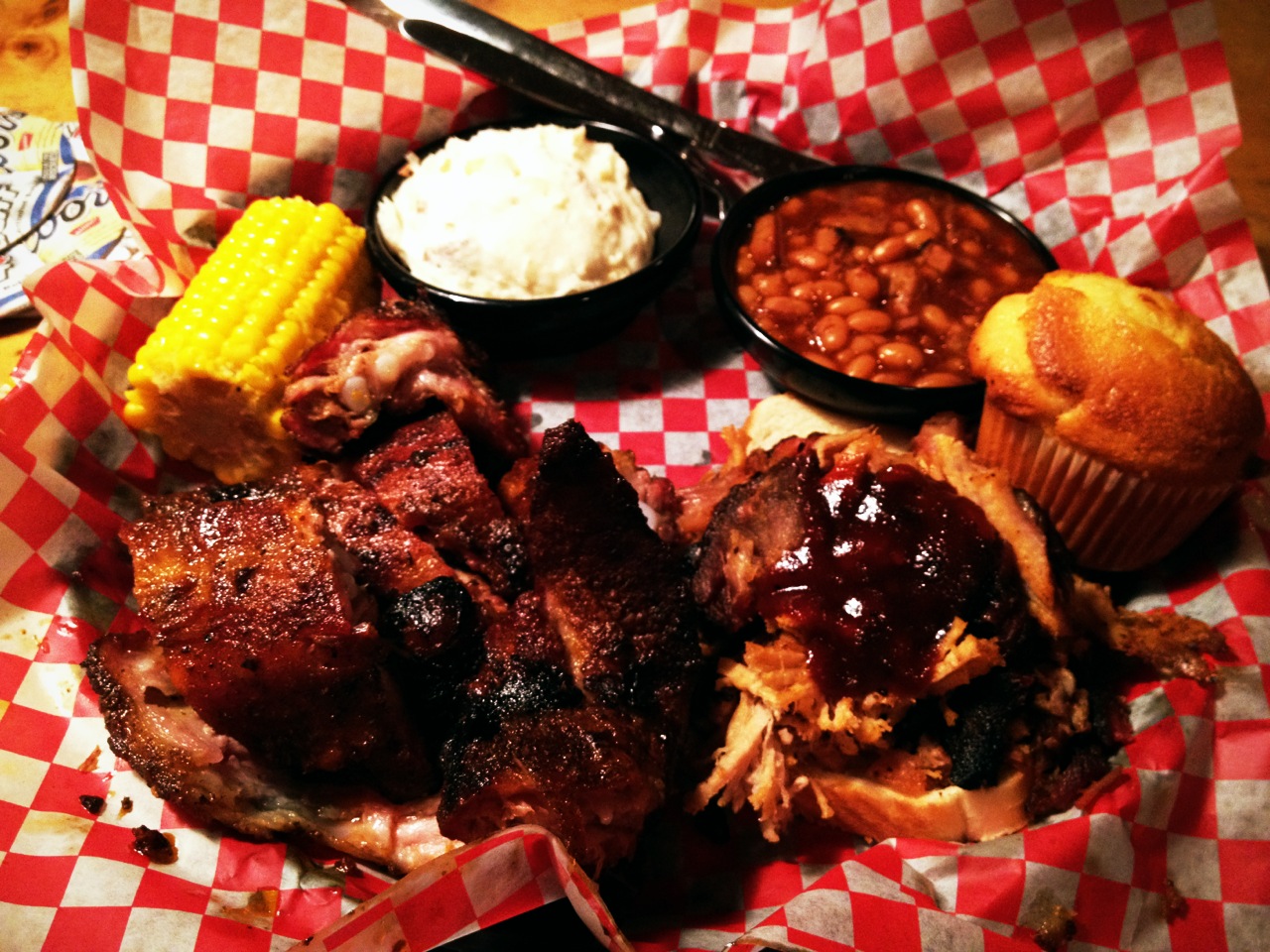
  • A platter of BBQ rib tips and chopped pork with all the trimmings

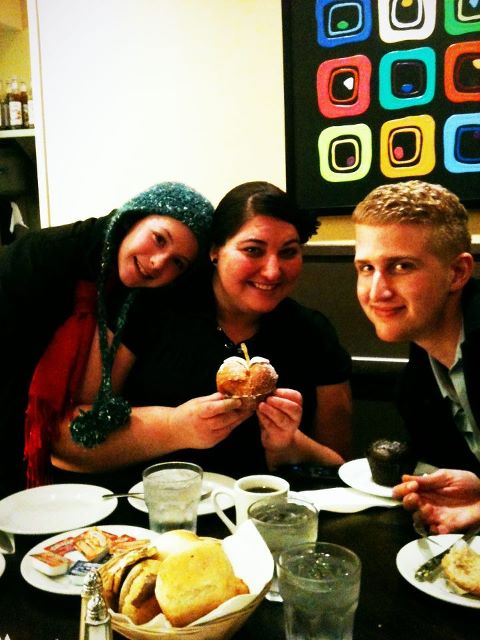
I also attended two fun get-togethers with friends, which centered around food. Friday night, I got together with Jen, Rosie, and Davey at Gourmandise so I could have my last gourmet pastry – the Peach. I also had bites of English bread pudding, chocolate muffin, and sips of Rosie’s Belgian hot chocolate.

Saturday I went to the #BeehiveBuzz tweetup at the Beehive Cheese Factory in Uintah. We toured the factory, sampled their unique artisan cheeses, mingled with my local Twitter friends, and had a potluck. The hardest thing for me was to not drink the soda! There was a cooler full of gourmet sodas, and the vanilla cream and orange cream sodas were screaming my name. Luckily, I did not cave to temptation, and have made it 9 days soda-free.

And how do I feel now? SICK! I haven’t eaten this much rich food in a short amount of time before. I feel sluggish, my belly aches, and I actually look forward to beginning my pre-surgery diet in the morning. This will consist of 1000 calories a day, with 2 protein shakes a day and one a “sensible” lean protein meal. I’m also meeting with Dr. Smith in the morning for a follow up appointment, since it’s been almost a year since my initial surgical consultation.

If you were about to undertake a completely new way of eating, what would be your last supper? Or suppers?

The Surgery Approval Process

approved

In December 2010, after several years of deliberation, I decided conclusively that I wanted to have weight loss surgery. I had tried so many different “conservative means” of weight loss, and I was ready to do something significant. I discussed weight loss surgery with my primary care doctor, endocrinologist, gynecologist, and my pulmonology sleep specialist. All were in agreement that surgery was medically necessary to alleviate my obesity-related health conditions.

Even though I had done hours and hours of research about weight loss surgery, I wasn’t exactly sure what I needed to do get my insurance company’s approval. There’s a lot of websites that talk about weight loss surgery, and give a rundown of  requirements, but it’s plan-specific. I hopped on the Cigna website to verify my benefits, find a surgeon who was a preferred provider,  and determine the gastric bypass surgery approval requirements.

The gastric bypass insurance approval process varies from insurer to insurer, but most companies have similar guidelines. You have to get clearance from your primary doctor for surgery, gather medical records, choose a surgeon and find out what the office procedures are to begin the surgery process. Cigna has a guideline that is more strict and involved than some insurance companies, namely explicit documentation of 6 months of medically-supervised weight loss attempts.

It took a few weeks to get my medical records from other doctors, and get my primary care doctor to complete a letter of medical necessity. At that point, I called up the surgeon’s office and made an appointment for their introductory weight loss surgery class. This 4 hour class outlined the different weight loss surgery options, risks and benefits, and a Q&A session with one of the surgeons. After I class, I was given a large packet of paperwork to fill out, with a checklist of medical records I needed to acquire. About two weeks later, I’d requested all of my medical records from the last 6 years (in 4 states, no less!) and was put on the waiting list.

A few weeks later, I had my appointment to meet with Dr. Sherman Smith, the bariatric surgeon I had chosen for my procedure. We went over my health history, he gave me an examination, and he gathered the information he needed to write a letter of medical necessity for surgery. Originally, I was planning on having a sleeve gastrectomy, but after meeting with Dr Smith, he strongly recommended a roux-en-y laparoscopic gastric bypass instead.

About 2 weeks after my visit with Dr. Smith, I got a call from the office saying that my surgery packet had been sent off to Cigna. About a week later, I was so excited to see a letter in my mailbox from Cigna – until I opened it. The letter stated that medical necessity could not be established until I provided 6 MORE MONTHS of documentation of medically-supervised weight loss attempts. I provided almost a year of physician-supervised weight loss attempts, and they wanted 6 more. Jerks.

I was frustrated because I had started telling family and friends that I was preparing for surgery, I had money set aside, and was expecting to be on the operating table in about a month.

I went through a bit of a mourning period after that. I was so upset that my insurance wanted to postpone a surgery that was already “medically necessary” by every other means, except more paperwork. They questioned my 8 months of records from Weight Watchers as not sufficient, when their website specifically outlines Weight Watchers as a suitable weight loss method, when supervised by a physician. I met with Dr. Poor, my primary care doctor, who said that St. Mark’s Hospital offered a physician-assisted plan through his partner clinic, Lone Peak Family Medicine. I took the information flier, called up the registration line, and had an appointment for the clinic later in the week.

When I went in for my appointment, I was surprised to find that Dr. David Jack was the supervising physician of the program. Dr. Jack and I go back quite a while…he was the doctor who supervised me on my treatment on Phen/Fen back in 1995-1997. He also managed my care for several years after my treatment of ARDS. We went over my more recent health history, set up a very-low fat food plan, and I began on medication for weight loss.

Unfortunately, I didn’t have a significant loss of weight in the time he supervised my weight loss. I went down about 15 pounds in 6 months, which isn’t very significant when I have almost 200 pounds to lose. He agreed that weight loss surgery was a good option, wrote a letter indicating his support of surgery, and forwarded it to my primary care doctor.

In early October, I’d hit my 6 month mark. Dr. Poor wrote another letter for Cigna, again emphasizing the need to expeditiously approve my surgery. Unfortunately, the appeals process with Cigna went on for THREE FULL MONTHS. They kept sending me letters saying that they could not determine medical necessity, even though the needed paperwork had been received. Apparently, they had a really hard time matching up my original surgery packet and my updated paperwork….which were scanned into the same computer system. Yay, technology!

In early January, Kristina (who was my valiant pre-authorization ally through those 3 months) was told to resubmit the entire packet to Cigna. Within two weeks, I FINALLY had the approval for surgery! This was last Monday, and since then I’ve had my surgery date scheduled and began this blog.

I don’t know how many people go through a 13-month approval process for their insurance, especially when all clinical criteria for medical necessity is obvious. It was documentation not being exactly how the insurance authorization team wanted, then many other glitches in the system. But now my surgery is approved, and I meet with Dr Smith again for a pre-surgical appointment tomorrow. Also, my pre-surgery “crash diet” begins.

For those interested in the specific verbiage of Cigna’s 2012 weight loss surgery policy, at the time I went through the process, the criteria is as follows:

CIGNA covers bariatric surgery using a covered procedure outlined below as medically necessary when ALL of the following criteria are met:

The individual is ≥ 18 years of age or has reached full expected skeletal growth AND has evidence of BMI (Body Mass Index) ≥ 40 OR BMI 35–39.9 with at least one clinically significant obesity-related comorbidity, including but not limited to the following:

  • mechanical arthropathy in a weight-bearing joint
  • type 2 diabetes mellitus
  • poorly controlled hypertension 
  • hyperlipidemia 
  • coronary artery disease 
  • lower extremity lymphatic or venous obstruction 
  • severe obstructive sleep apnea 
  • pulmonary hypertension

Failure of medical management including evidence of active participation within the last two years in a weight-management program that is supervised either by a physician or a registered dietician for a minimum of six months without significant gaps. The weight-management program must include monthly documentation of ALL of the following components: weight, current dietary program, physical activity (e.g., exercise program)

A thorough multidisciplinary evaluation within the previous 12 months which includes the following:

  • an evaluation by a bariatric surgeon recommending surgical treatment, including a description of the proposed procedure(s) and all of the associated current CPT codes 
  • a separate medical evaluation from a physician other than the surgeon recommending surgery, that includes a medical clearance for bariatric surgery 
  • unequivocal clearance for bariatric surgery by a mental health provider 
  • a nutritional evaluation by a physician or registered dietician

2013 Update: Cigna has made three separate major changes to the verbiage of their bariatric surgery guidelines since my surgery was approved. Even if it doesn’t seem like the documentation of the 6 months of medically-supervised weight loss is such a sticky point, it is. Three other weight loss surgery patients have contacted me to say they had the same denial for medical documentation of the six months of supervised weight loss. Make sure to document EVERYTHING if you’re considering weight loss surgery, especially if you’re insured by Cigna!

Why I’m Having Gastric Bypass Surgery

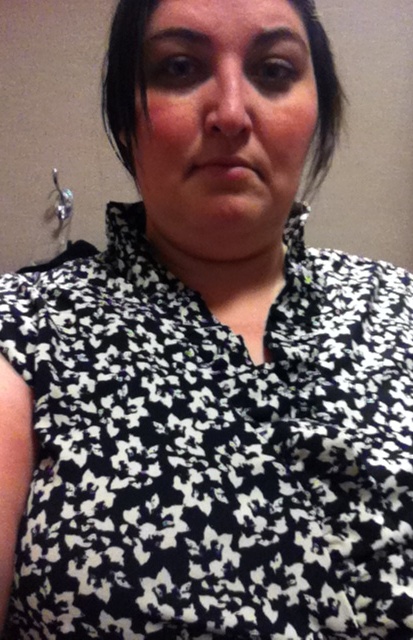
With my extensive social media involvement, I have many people that I interact with who I’ve never met. I post a fair amount of pictures of myself online, and I always pick the pictures where I think I look good. I’ll tilt my head the right way, crop out my arms or belly, and avoid showing my whole body. I hide my problem areas along with my insecurities.

The truth is, I’m very large. Technically, my BMI of 51 puts me in the “super obese” category, which is one step above morbidly obese. I have a plethora of health problems including chronic obstructive pulmonary disease, severe obstructive sleep apnea, elevated blood pressure, polycystic ovaries, hormone imbalances, chronic anxiety and depression, edema and circulatory problems. My joints constantly ache, and I have difficulty exercising without injuring myself. I take pills to help with many of these problems, and I’m usually in a doctors office at least twice a month.

Now, you might be thinking “She doesn’t look THAT huge.” I get that all the time. I was blessed with good genes. I’m 5’10”, so my weight doesn’t show as blatantly on my frame as it might on other people. But as stated above, I have a lot of health problems and excess weight. When I stepped on the doctor’s scale last week, I weighed 357. It’s not the most I’ve ever weighed, but close. When I hit 300 three years ago, I could not believe I’d hit that point. But when have disclosed my weight to others, I usually get a depreciating statement like “That’s not possible….you don’t look anywhere near 300 pounds.” As much as I appreciate people telling me I don’t look my weight, the numbers on the scale do not lie. And I’m very self-conscious about it.

I’ve come to hate group photos. All I end up doing is comparing myself to the other people in the picture. Especially arms – my upper arms are 2-3 times as large as a fit woman’s arms, and no amount of toning ever seems to help. I’ve done a fair amount of weightlifting over the years, and all it’s ever done is bulk up my big arms. Or so it seems to me.

I honestly believe I have a more healthy diet than the average American. I’m a pro at the lean protein/whole grain/veggie and fruit way of life. I have been putting myself on restrictive diets to lose weight since age 11, which was when my weight problems began significantly effecting my self esteem. I’ve memorized nutritional information for most foods that I consume, including calories, fat grams, carbohydrates, and protein. Until last week, my main guilty pleasure was excessive consumption of soda and caffeine, but I’m overcoming those addictions and am on day 7 totally soda free.

As I’ve started telling people about my surgery plans, one of the first things that people ask me is “Wait, have you tried _____ diet/supplement/pill/shake?” Honestly, I’m DONE “trying” things. The short list of my weight loss attempts include Weight Watchers (8 times), South Beach diet, Atkins Diet, American Heart Association diet, calorie counting, fat gram counting, high protien diets, liquid diets,  personal training, online diets and support groups, hypnosis podcasts, Curves, Intuitive Eating, Thrive weight loss, and physician-assisted weight loss plans with prescription weight loss drugs (both phentermine and the naltrexone/bupropion combo).

Twenty years of failed weight loss attempts has significantly affected my endocrine and digestive systems, not to mention my self-esteem. I’ve spent the better part of 10 years on a therapists couch, and much of it has to do with my body image issues and addictive behaviors. I have such a skewed relationship with food. Although I do “eat emotionally,” it is not my main issue. I am a social eater. I can stick with a strict eating plan when I’m on my own, but as soon as I’m around other people, I can’t keep up.

I love the experience of indulging in food with love ones. Many of my happiest memories in life include delicious food with friends and family. It’s so easy to lose control when I’m eating with people I love, no matter what the food item is.

So much of my relationship with my husband has included food. When we only have an hour or two for a date, we almost always go out to eat. When we first got married, we ate out all the time and each gained about 35 pounds. While my husband was able to lose it through diet and exercise, my weight has crept up through the 7 years of our relationship, despite my best efforts. My weight and health have affected our relationship, and I know that it stresses my husband out to no end. Because he is away from home for half the month, it’s been hard to come up with a consistent diet/exercise routine that doesn’t stop when he comes back into town.

So, for these reasons and many more, I’m going under the knife. It took two years to come to the decision to have surgery, with the approval process taking another year. I’ll blog about the approval process for me next, but believe me, it was a tough year of paperwork, health histories and exams, appeal letters, and countless phone calls. I’ve been scheduled for laparoscopic RNY gastric bypass surgery on February 7th.

I’m Going Off Soda

giving up diet cokeI’ve been threatening to do it for year.

And now is the time.

Today is my 5th day completely soda/carbonation free. It’s actually day 8 in the process, but I caved to a can of Diet Mtn Dew when I had a headache on day 2.

There are a lot of reasons why I needed to give it up. First, it was an addiction, pure and simple. I couldn’t get through the day without a McDiet #PDR, or a “Route 44 Coke Zero with vanilla” at Sonic. I would wake up thinking of how bad I wanted a Coke to get me going in the morning. I wanted a drink to get me through the lull of the afternoon. I wanted a drink to help me focus at work. It was overwhelming.

Second, it was expensive. Many days I drank well over 100oz, much to the chagrin of my wallet. My husband called my daily need for soda my “pack a day” habit. Even trying to get the cheapest refills, it was easily costing me over $100 per month. I can think of a lot of things I’d rather spend $100 on a month.

Third, it was not good for my health. I’ve been taking mega-doses of Vitamin D and Calcium to make up for the mineral deficiencies that diet soda causes. Plus, it was stretching out my stomach. I can down a 32oz drink in no time, which made it that much easier to overeat. Although I got to the point that I would choose a soda over a decadent dessert…it still was a little messed up to be thinking that way. After watching this video, I knew I needed to do it:

Giving up the soda was one of the hardest changes for me in preparation for gastric bypass. Although the approval process dragged on for endless months, I decided to take charge and give up my beloved Coke. Three days later, the surgery approval came through. This cannot be a coincidence.

So raise your glass (of water) and congratulate me on 5 days “sober” from soda. I’ll need support on this one. Just the sound of carbonation is a temptation.